Examining Augmented Reality Overlays That Deliver Real-Time Player Stats During Concurrent NBA Games and International Soccer Fixtures on Mobile Platforms
Written by Jordan Hansen · Oct 27, 2026
Examining Augmented Reality Overlays That Deliver Real-Time Player Stats During Concurrent NBA Games and International Soccer Fixtures on Mobile Platforms
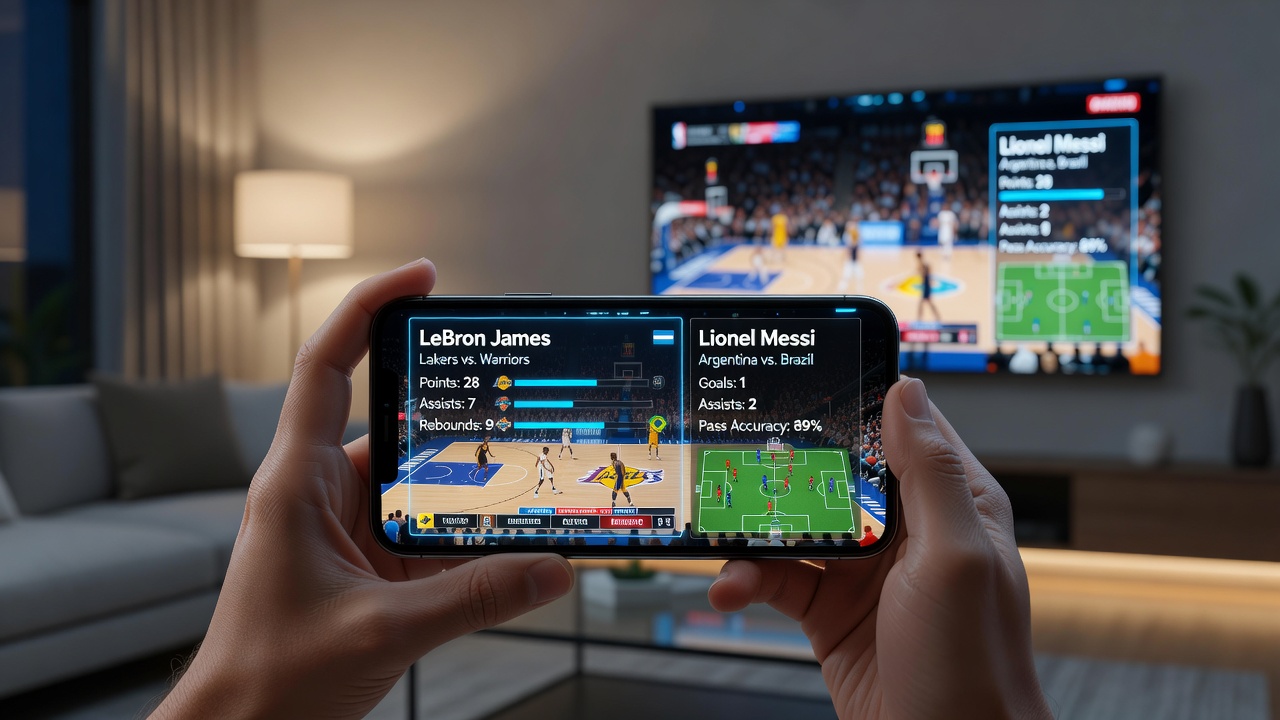
Augmented reality technology has integrated itself into mobile sports viewing by layering digital player statistics directly onto live video feeds from NBA games and international soccer matches that occur at the same time. Mobile applications process real-time data streams from league databases while users watch multiple fixtures through a single device screen. Researchers at institutions across North America and Europe have documented how these overlays update metrics such as points scored, assists, and shot percentages within seconds of on-court or on-pitch events.
Technical Integration of AR Overlays on Mobile Devices
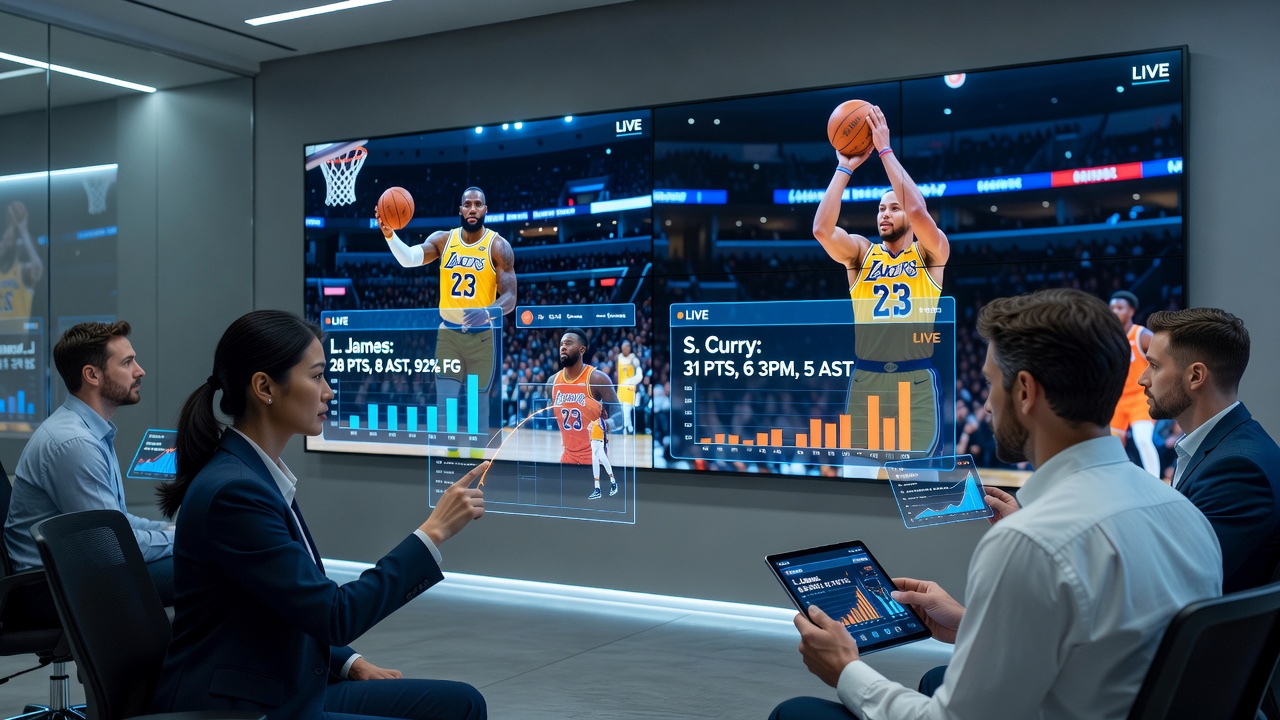
Developers combine computer vision algorithms with data feeds from official league sources to position virtual graphics that remain anchored to players as the camera angle shifts. In October 2026 several platforms expanded support for simultaneous NBA and soccer streams by optimizing rendering pipelines that handle two separate data sets without noticeable lag on standard smartphones. Observers note that graphics processing units in recent mobile hardware manage the computational load while maintaining frame rates above 60 per second during peak usage periods. Data synchronization protocols pull statistics from centralized servers operated by leagues and match them to visual markers detected through the device camera.
Handling Concurrent NBA and Soccer Broadcasts
Users often follow an NBA contest alongside a soccer match scheduled in overlapping time slots and AR systems allow selective display of statistics for either event through gesture controls or menu selections. Mobile applications detect the active broadcast window and adjust overlay density accordingly so that essential metrics remain visible without obscuring key action areas. Studies conducted by academic teams in Australia and Canada indicate that viewers maintain higher engagement levels when statistics appear contextually rather than as persistent lists. Bandwidth requirements stay manageable because the AR layer transmits only positional metadata while the primary video stream arrives through established content delivery networks.
Data Accuracy and Update Mechanisms
Real-time player statistics originate from official scoring systems that leagues maintain during live events and AR platforms verify these inputs through cross-referencing with multiple sensors including optical tracking and wearable devices. Accuracy rates reported in industry analyses exceed 98 percent for core metrics such as goals, rebounds, and fouls when updates occur at intervals under three seconds. Engineers have refined edge computing techniques that process portions of the data locally on the device thereby reducing dependence on constant network connectivity. Those who have examined the systems note that discrepancies appear most frequently during rapid sequences of play where manual scorekeeping momentarily lags behind automated detection.
User Interaction Patterns Across Regions
Viewers in urban areas with high mobile network density access these overlays more frequently than those in rural locations according to usage data compiled by regional telecommunications authorities. In Europe regulatory bodies have encouraged development of accessible AR features that comply with data protection standards while preserving low-latency performance. North American platforms emphasize integration with existing league applications so that account holders receive personalized stat selections based on favorite teams. Research from universities in Asia has explored how gesture-based controls reduce screen occlusion compared with traditional touch interfaces during extended viewing sessions.
Performance Considerations in Varied Network Conditions
Network congestion affects overlay responsiveness yet adaptive bitrate algorithms adjust graphic complexity to sustain functionality when connection speeds drop. Field tests performed by telecommunications research groups show that 5G connections maintain sub-second update times for statistics even when multiple users access concurrent streams in teh same cell. Battery consumption rises modestly because AR rendering activates only during active viewing periods rather than running continuously in the background. Software optimizations released in late 2025 and refined through 2026 have lowered average power draw by approximately 15 percent on flagship devices.
Future Developments and Standardization Efforts
Industry organizations continue to collaborate on common data formats that would allow a single AR application to pull statistics from both NBA and major soccer leagues without custom integrations. Standards bodies in multiple countries have begun evaluating proposals that address visual consistency across different screen sizes and aspect ratios. Observers expect continued refinement of depth sensing capabilities in upcoming mobile hardware which would improve the precision of overlay placement relative to moving athletes on the field or court. These advancements build upon existing frameworks that already support simultaneous viewing of multiple sports without requiring separate applications.
Conclusion
Augmented reality overlays have established a functional presence in mobile sports streaming by delivering synchronized player statistics for overlapping NBA games and international soccer fixtures. Technical implementations rely on verified data feeds, efficient rendering, and adaptive network handling that together support consistent performance. Continued standardization work and hardware improvements point toward broader adoption as viewing habits evolve around concurrent event coverage on personal devices.