Community Mesh Networks and Their Expanding Role in Distributing Live NBA, Soccer, and UFC Content to Underserved Neighborhoods
Written by Freya Patterson · Jun 27, 2026
Community Mesh Networks and Their Expanding Role in Distributing Live NBA, Soccer, and UFC Content to Underserved Neighborhoods
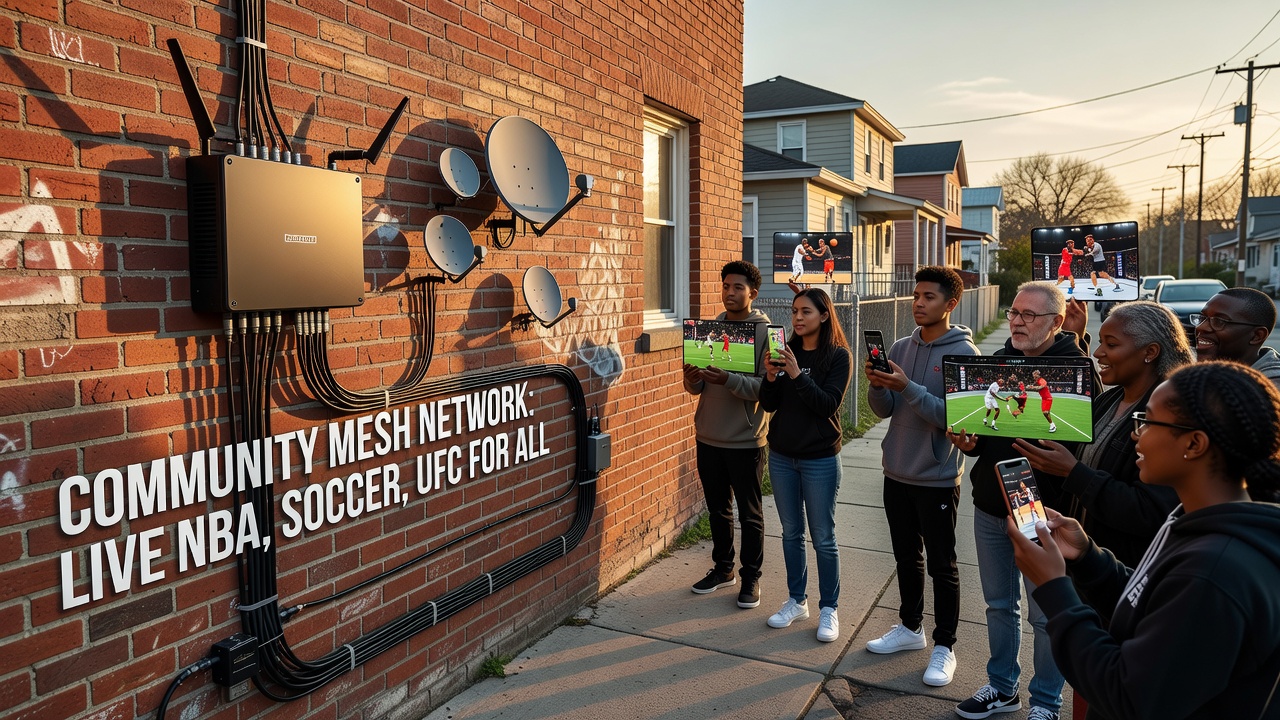
Community mesh networks operate through interconnected wireless nodes that relay data across local areas without relying on traditional centralized infrastructure and they have gained traction in neighborhoods where broadband access remains limited or unreliable. These systems allow residents to share internet connections and distribute content such as live NBA games, soccer matches, and UFC events by routing signals node to node across rooftops and public spaces while researchers from various institutions have documented their growth in both urban and rural settings since the early 2010s.
How Mesh Networks Function for Content Distribution
Nodes in a mesh setup communicate directly with one another creating redundant paths for data flow and this structure proves resilient when individual connections fail during peak viewing times for major sports events. Data packets carrying video streams move through the network via dynamic routing protocols that adjust based on signal strength and congestion levels while studies from academic sources indicate that such networks can maintain stable feeds even when primary internet service providers experience outages. In practice this means viewers in underserved areas receive NBA playoffs or soccer derbies without interruption as long as enough nodes remain active and powered.
Equipment typically includes affordable routers and antennas that residents or local organizations install on buildings and the collective effort forms a self-sustaining web that bypasses commercial cable limitations. Technical reports highlight how open-source software manages bandwidth allocation to prioritize live streams over other traffic and this approach has supported simultaneous access to multiple events like concurrent UFC cards and international soccer fixtures.
Expansion in Underserved Areas
Neighborhoods facing infrastructure gaps have adopted these networks to bridge digital divides and figures from government agencies show increased deployments in regions across North America and Europe where traditional providers have not extended services. For instance local groups coordinate node placements to cover apartment complexes and community centers allowing residents to watch live sports without individual subscriptions to high-speed plans. Observers note that the model scales through volunteer maintenance and shared costs which keeps operations feasible in low-income zones.
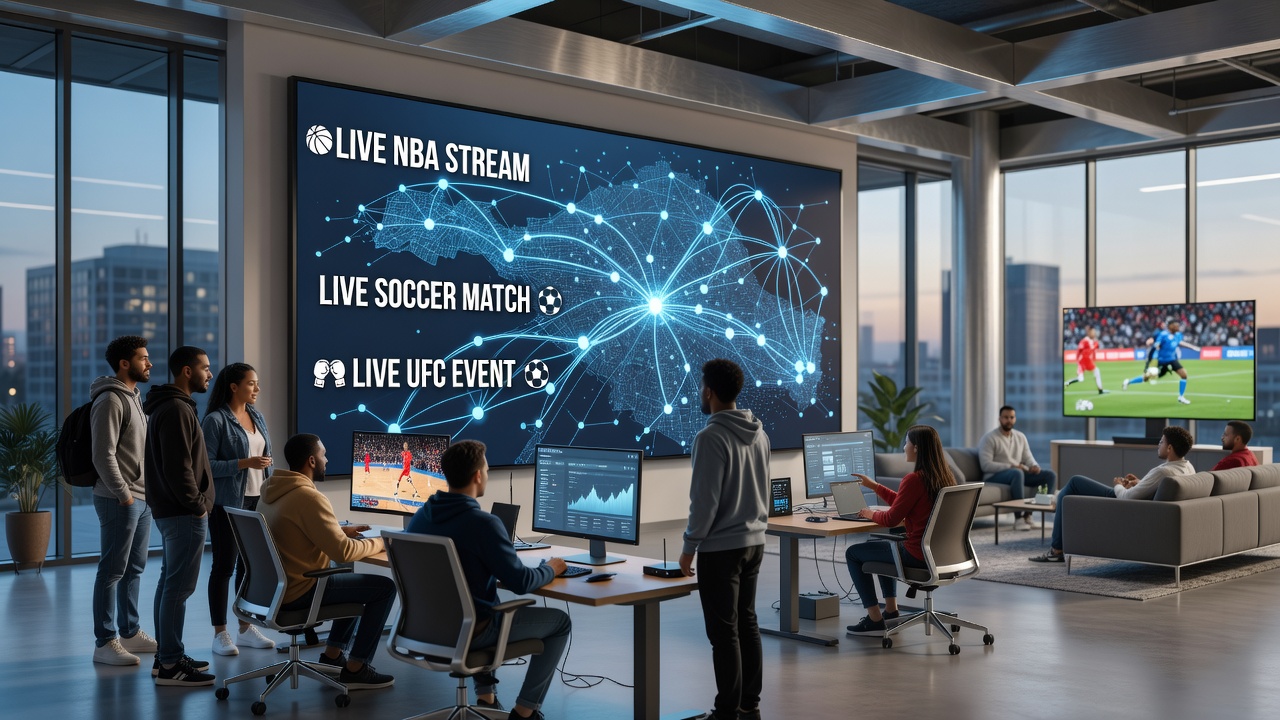
By June 2026 several initiatives had expanded coverage in secondary cities where satellite or fiber options lagged and participants reported reliable reception of NBA regular season games alongside soccer league matches. The networks integrate with existing public Wi-Fi points to extend reach further and this hybrid method supports higher viewer numbers during popular UFC pay-per-view nights when demand spikes across connected households.
Technical and Regulatory Context
Wireless spectrum regulations influence mesh network viability and bodies such as the Federal Communications Commission have tracked how unlicensed bands enable these grassroots setups in the United States. Similar frameworks in other regions facilitate comparable projects and data from regulatory filings reveal steady growth in node counts tied to sports streaming demands. Engineers continue refining encryption and quality-of-service features to handle high-bitrate video from NBA broadcasts and soccer transmissions without degradation.
Academic analyses from institutions like those affiliated with Canadian research networks examine performance metrics during live events and these studies confirm that mesh architectures reduce latency compared to overloaded cellular alternatives in dense neighborhoods. Power management techniques also play a role since solar-assisted nodes sustain operations through evening match schedules common in UFC and soccer programming.
Future Outlook and Integration Trends
Integration with emerging 5G small cells appears on the horizon for hybrid mesh systems that could further stabilize feeds for global audiences tuning into NBA finals or soccer tournaments. Community operators explore partnerships with content aggregators to optimize delivery paths while maintaining local control over the infrastructure. Reports project continued adoption in areas with persistent access barriers as hardware costs decline and software tools simplify deployment for non-technical users.
Conclusion
Community mesh networks continue to demonstrate practical value in extending live NBA, soccer, and UFC content reach to underserved neighborhoods through decentralized wireless connectivity. Their expansion reflects ongoing adaptations to infrastructure challenges and regulatory environments that support shared technology models across multiple continents. Data collected through 2026 underscores their role in maintaining consistent access during high-demand sports windows while technical refinements address bandwidth and reliability factors inherent to distributed streaming setups.