Adaptive Technologies Enabling Inclusive Access to Simultaneous Professional Sports Broadcasts for Viewers with Sensory Impairments
Written by Freya Patterson · Sep 29, 2026
Adaptive Technologies Enabling Inclusive Access to Simultaneous Professional Sports Broadcasts for Viewers with Sensory Impairments
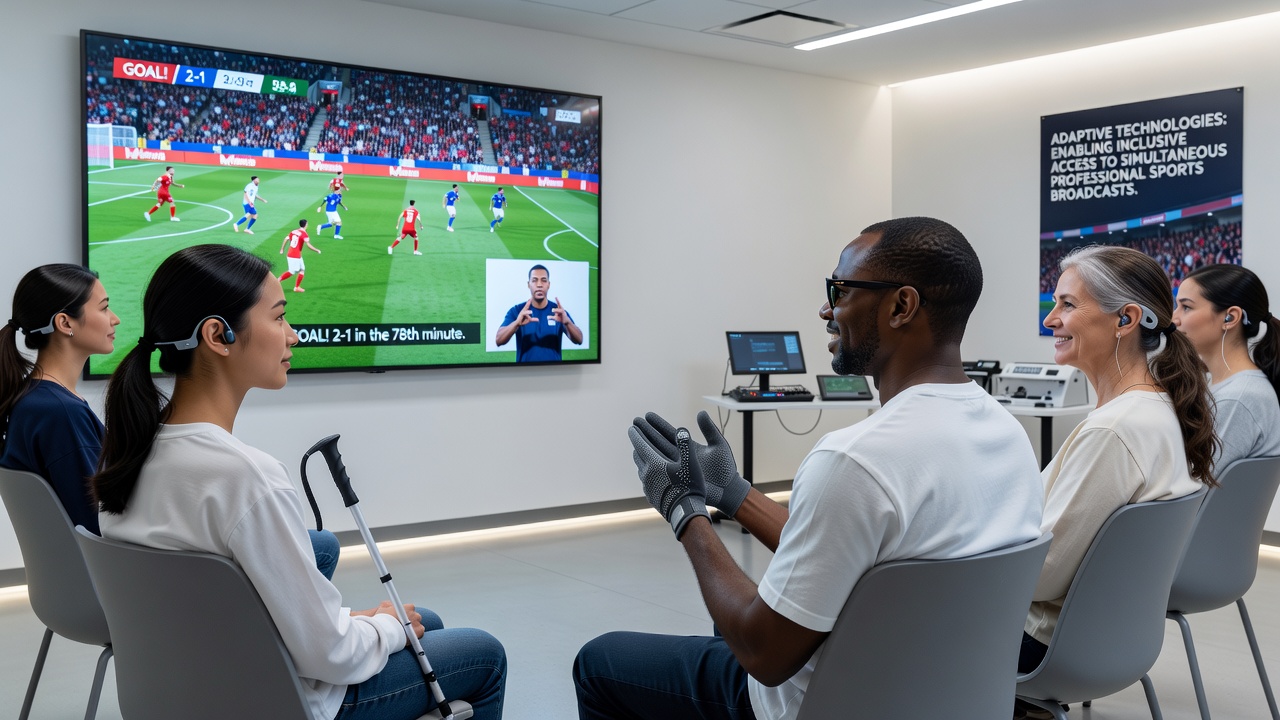
Adaptive technologies now support viewers with sensory impairments during simultaneous professional sports broadcasts by integrating audio description systems, real-time captioning platforms, and synchronized sign language feeds that handle multiple games without interruption. Research indicates these tools rely on AI-driven synchronization protocols that switch between events such as NBA playoffs and international soccer matches while maintaining descriptive accuracy. Data from regulatory filings shows increased adoption rates in North America and Europe as broadcasters upgrade infrastructure to meet accessibility standards.
Core Technologies for Visual and Auditory Accessibility
Viewers who are blind or have low vision access narrated audio descriptions that detail player movements, score updates, and crowd reactions in live settings, and these systems use machine learning models trained on vast sports datasets to generate content for concurrent broadcasts. The Federal Communications Commission maintains rules requiring video description on certain television channels which has expanded to digital streaming platforms covering overlapping events. Meanwhile those with hearing impairments depend on closed captions that transcribe commentary and ambient sounds in real time, with platforms deploying automated speech recognition refined through sports-specific terminology databases.
Studies from academic institutions reveal that caption accuracy reaches 95 percent or higher when specialized lexicons for basketball, soccer, and cricket terms get integrated into the software. Experts note that haptic vests and wearable devices translate game vibrations into tactile patterns, allowing users to follow action sequences across multiple simultaneous feeds through Bluetooth-connected applications.
Handling Multiple Simultaneous Broadcasts
Broadcast networks coordinate adaptive layers across several events by employing centralized content management systems that tag descriptive elements with timestamps for precise alignment. In September 2026 overlapping seasons will include major tennis tournaments alongside NFL preseason games and cricket test matches, requiring these systems to process parallel data streams without latency spikes. Observers note that cloud-based rendering distributes the load so users can toggle between events while retaining personalized accessibility settings such as adjustable narration speed or caption font size.
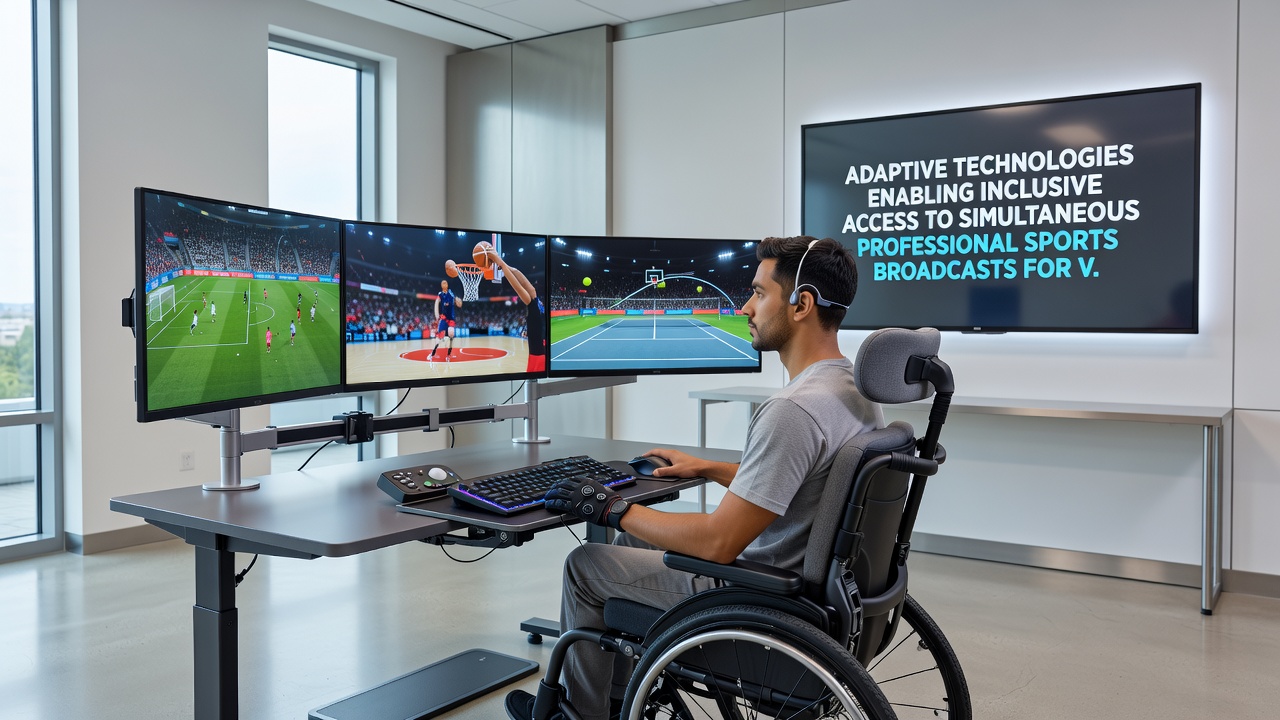
Industry reports highlight partnerships between technology providers and sports leagues that embed accessibility metadata directly into production workflows. This approach reduces post-production delays and supports immediate delivery for audiences tracking concurrent fixtures. Canadian regulatory data from the CRTC indicates steady growth in compliant live streams as domestic providers align with updated accessibility mandates.
Integration of Sign Language and Assistive Interfaces
Professional sign language interpreters appear in picture-in-picture windows during key moments of games, while automated avatars powered by gesture recognition software fill gaps when human interpreters are unavailable. Researchers at European universities have documented improvements in user comprehension when these avatars incorporate regional sign variations for international audiences. Screen reader compatibility allows navigation through broadcast menus and statistical overlays, with developers testing voice commands that let users switch between simultaneous professional sports without visual reliance.
Device manufacturers incorporate built-in accessibility features into smart televisions and mobile applications that detect impairment profiles and activate appropriate tools automatically. Evidence from platform analytics shows higher engagement metrics among users who customize these settings for specific sports genres.
Future Developments and Infrastructure Support
Ongoing advancements include deeper integration of neural networks for predictive audio description that anticipates play outcomes based on historical patterns, and these models undergo continuous refinement through feedback loops from actual viewer sessions. Regulatory bodies across regions continue to update guidelines that encourage broader implementation during peak seasons when multiple leagues compete for attention. Academic analyses confirm measurable gains in information retention when adaptive layers operate consistently across devices.
Conclusion
Adaptive technologies continue to expand access by combining established tools with emerging AI capabilities that manage the demands of simultaneous professional sports broadcasts. Regulatory frameworks and industry collaborations sustain this progress while data collection refines performance across diverse user groups. Those monitoring developments in September 2026 will observe further refinements as new seasons test the limits of current systems.