5G Networks Transform Simultaneous League Match Viewing Across Global Regions
Written by Jonas Patterson · Jul 21, 2026
5G Networks Transform Simultaneous League Match Viewing Across Global Regions
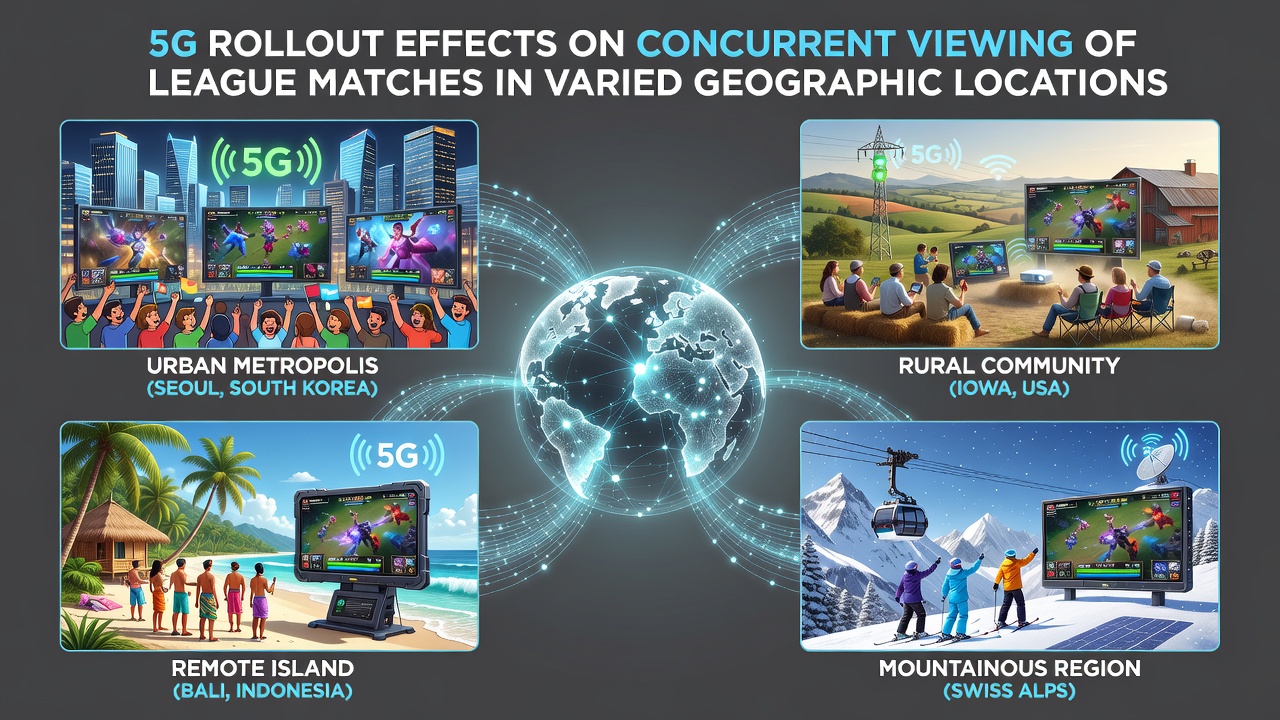
5G deployment has altered how viewers access multiple league matches at once across different regions since the technology began scaling in major markets around 2020 and continued expanding through July 2026. Higher bandwidth capacities allow simultaneous streams of high-definition content without the interruptions that characterized earlier generations of mobile networks, while lower latency supports real-time synchronization for fans tracking overlapping fixtures in soccer, basketball, and other leagues.
Network Capacity Gains in Dense Urban Centers
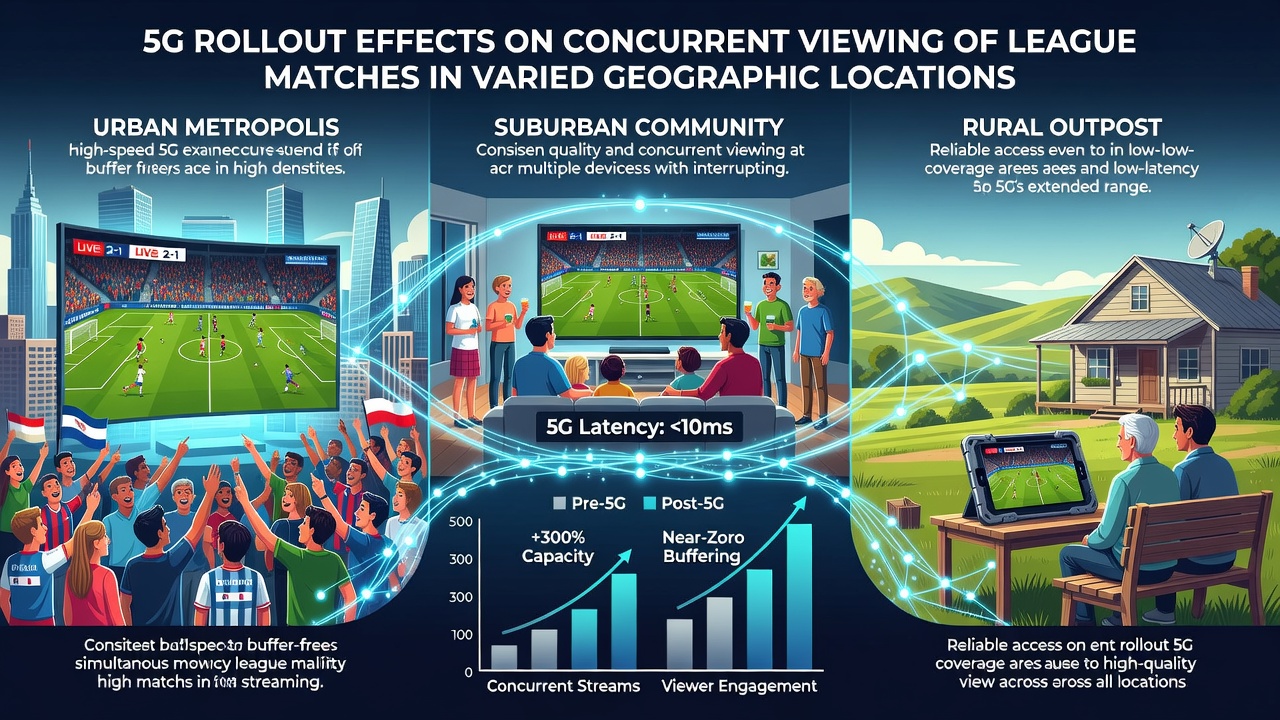
Cities with advanced 5G infrastructure handle increased data demands during peak match windows more effectively than previous setups, as spectrum allocations in the mid-band range deliver consistent speeds above 100 megabits per second for multiple devices. Observers note that this capacity reduces packet loss when users switch between feeds or maintain split-screen views of concurrent games, particularly in locations where fiber backhaul supports small-cell deployments. Data from regulatory filings shows urban rollout percentages reaching 85 percent coverage in select European and Asian markets by mid-2026, enabling smoother concurrent access compared to areas still reliant on 4G fallback.
Rural and Secondary City Adaptations
Expansion into less populated zones has followed different timelines, with fixed wireless access variants of 5G bridging gaps where traditional broadband remains limited. Researchers documented improved stream stability for viewers in these regions during overlapping league schedules, as signal range extends further and handles variable user loads without proportional degradation. One study from North American operators indicated average latency drops to under 20 milliseconds in upgraded rural cells, which supports uninterrupted viewing when fans monitor matches from separate leagues across time zones. Yet coverage density varies, and some secondary cities continue experiencing handoff issues during high-traffic periods that coincide with international fixtures.
Geographic Variations in Rollout Progress
Deployment patterns differ markedly by continent and regulatory environment, with East Asian markets achieving earlier saturation in both metropolitan and provincial areas. According to industry reports from the GSMA, cumulative 5G connections surpassed 3 billion globally by July 2026, correlating with measurable upticks in multi-stream consumption patterns among viewers in varied locations. In contrast, parts of Latin America and Africa saw phased introductions tied to spectrum auctions, resulting in uneven benefits for simultaneous match access until infrastructure catches up. Australian Communications and Media Authority statistics highlight similar disparities, where remote viewers gained from satellite-integrated 5G solutions that stabilized feeds during concurrent events.
Impact on Multi-Device and Cross-Region Streaming
Viewers who follow several matches simultaneously benefit from network slicing features that prioritize sports traffic, allocating dedicated resources during live windows and maintaining quality across devices. This approach proves especially useful in locations where fans combine local league coverage with international broadcasts, as edge computing nodes process data closer to the user and cut round-trip delays. Figures from operator trials reveal that such optimizations support up to four concurrent 1080p streams on a single connection without buffering spikes, a threshold reached more reliably in fully upgraded zones. Those monitoring matches from earthquake-prone or storm-affected regions have observed added resilience when redundant 5G paths activate during primary link disruptions.
Viewer Behavior Shifts Tied to Infrastructure
Analytics platforms tracking usage patterns indicate rising engagement with multi-match interfaces in areas where 5G penetration exceeds 70 percent, as reduced technical friction encourages extended sessions. People in urban clusters report fewer interruptions when toggling between games scheduled on the same day, whereas those in transitional coverage zones still encounter occasional quality adjustments. Academic analyses from university research groups confirm that these differences stem directly from radio access network maturity rather than device capabilities alone, with software updates further enhancing compatibility for legacy handsets in mixed environments.
Conclusion
By July 2026 the effects of 5G rollout on concurrent league match viewing had become measurable across geographic lines, with capacity, latency, and coverage improvements enabling more reliable access in upgraded locations while highlighting remaining gaps elsewhere. Continued infrastructure work addresses these variances, supporting broader participation in simultaneous viewing without reliance on single-network bottlenecks.